5.2 hours a day?
It's time for a break.

That’s why we’re helping youth balance screen time with Rogers Screen Break.

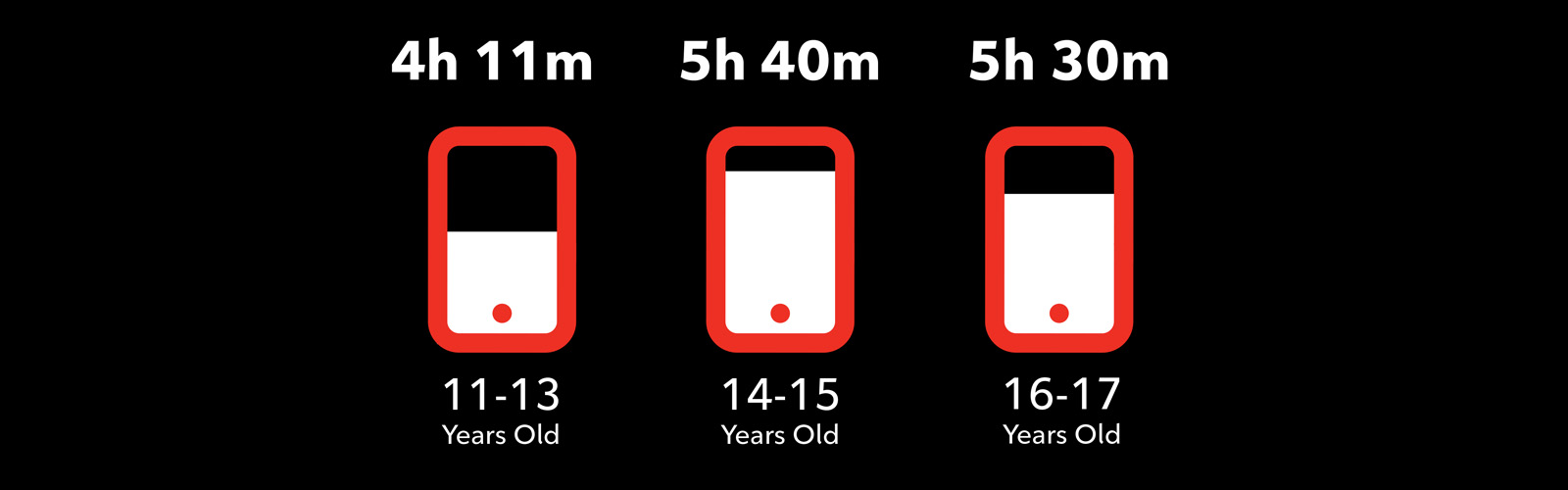
Excessive screen use is a problem: *

5.2

That’s the number of hours per day that youth are spending on their phones.

89%

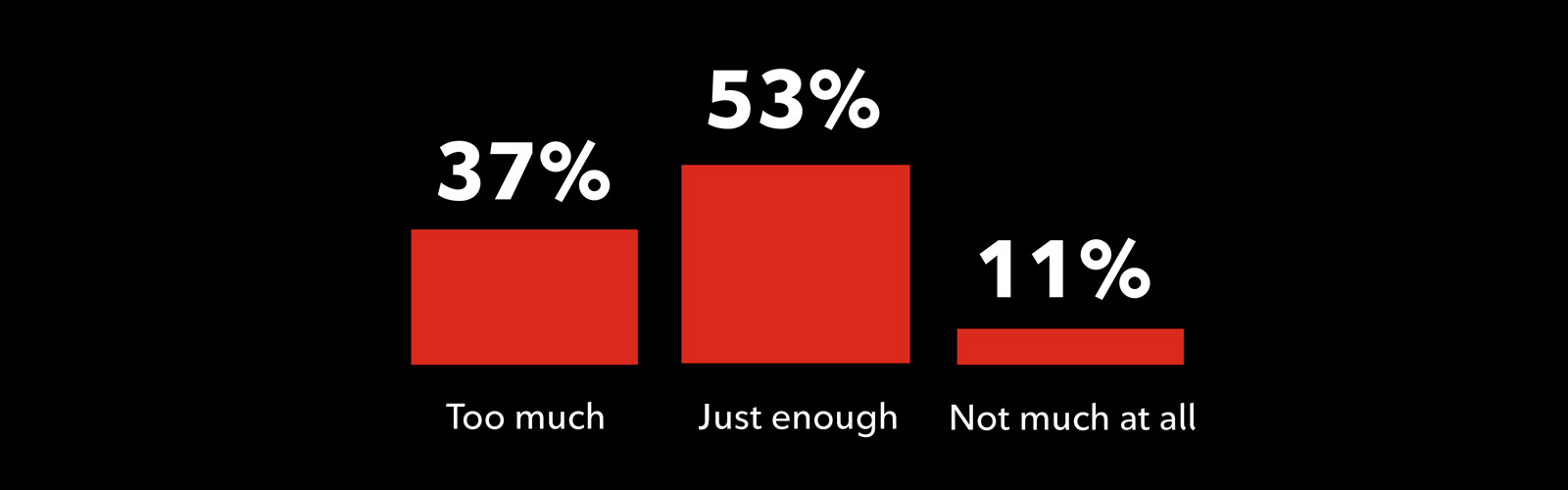
That’s the number of youth exceeding the recommended screen limits.

10

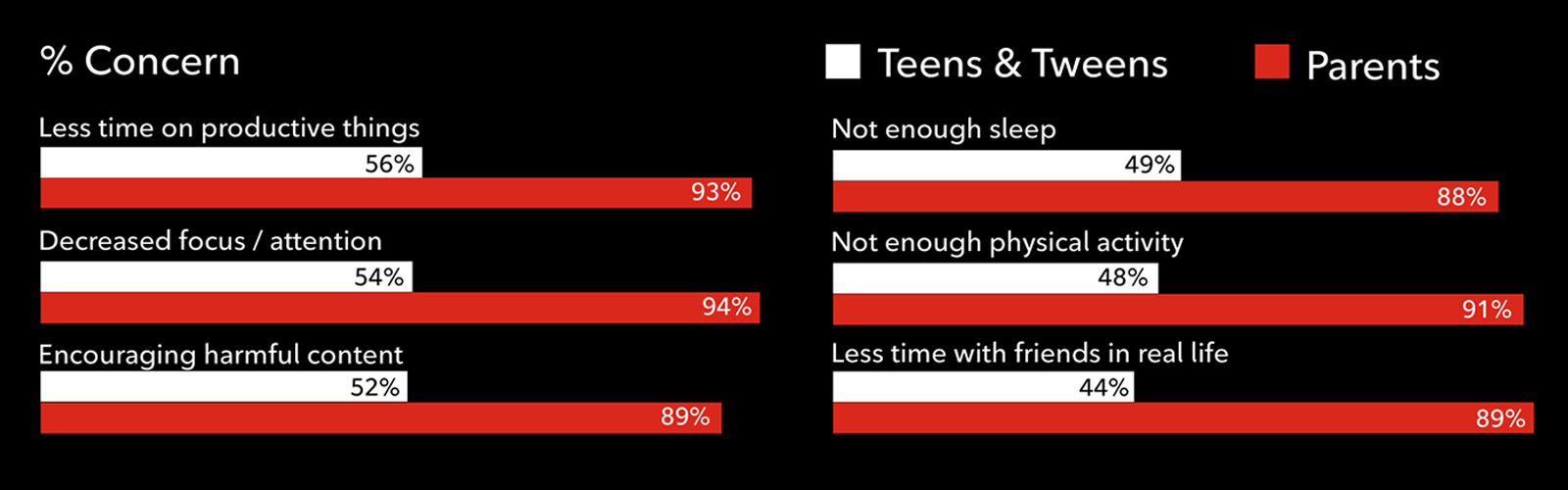
That’s the number of hours parents are underestimating their kids screen use by every week.

Our Commitment

Rogers is investing $50M over five years into four program pillars to help youth develop healthier digital habits:


Parental
Tools

Youth
Programming

Research &
Partnerships

Education &
Advocacy

1. Parental Tools

We are empowering parents with technology, tools, and resources to help manage screen time and guide screen time conversations.

Tools & Controls

Learn how to set parental controls across various devices to help set limits and manage screen time.

Guides & Resources

Practical tips and resources to help make screen time conversations easier.

First Phone Checklist

Use this checklist to build healthy screen habits from day one.

2. Youth Programming

We are partnering with youth organizations like the YMCA to promote screen balance and active living.

3. Research & Partnerships

We will support organizations tackling issues related to excessive screen time. We also continue to invest in research.

4. Education & Advocacy

We will work with athletes to inspire teens to rethink their relationship with their screens.

George Springer,
Screen Break Ambassador

“Just like we teach kids to play sports or ride a bike, we need to teach them when to put their phones down and get moving.”

– George Springer, Toronto Blue Jays baseball player

Sarah Nurse,
Screen Break Ambassador

“My message would be that it is all about balance.”

– Sarah Nurse, Vancouver Goldeneyes hockey player

Connor McDavid,
Screen Break Ambassador

“Some of the best memories I have till this day are neighbourhood friends playing together. You can’t do that playing on a screen.”

– Connor McDavid, Edmonton Oilers hockey player

Marie-Philip Poulin,
Screen Break Ambassador

“Just being there, connected, putting your screen away and enjoying life in the present moment.”

– Marie-Philip Poulin, Montreal Victoire hockey player

John Tavares,
Screen Break Ambassador

“My wife and I have lots of conversations on how we think we might want to set boundaries on the use of technology and being each other’s accountability partners.”

– John Tavares, Toronto Maple Leafs hockey player

News & Insights

Rogers launches program to help youth balance screen time

Rogers today announced Screen Break, a new, national program to help Canadian families address excessive screen use in youth.

Apply for a Screen Break grant

Youth programs promoting physical activity and screen balance may qualify for funding. Open until February 6, 2026.

Trey Yesavage kicks off Rogers Screen Break school program

The program includes working with professional athletes to engage teens in real-life conversations around healthy screen use.

Insights from a 2025 study conducted by Rogers

Our partners

The information on this site is intended for general guidance only. Decisions regarding screen time management should be made based on your own judgment and circumstances. Rogers is not responsible for any actions taken based on the information or guidance provided on this site. Rogers shares or links content from other sources for your convenience. We do not control those sites. Inclusion of such content does not imply endorsement or guarantee of accuracy. All trademarks contained in the Screen Break site are the property of their respective owners.

*Rogers conducted an online survey from October 30 – November 11, 2025, among a randomized sample of Canadians who are members of the Angus Reid Forum. The sample included N=1,213 parents of 11-17 year-olds that have a smartphone and N=503 11-17 year-olds that have a smartphone. The 11-17 year-olds completed the survey after their parent consented to have them participate. The survey was conducted in English and French. For comparison purposes only, a probability sample of n=1,213 parents and n=503 11-17 year-olds would carry margins of error of +/-2.8% (parents) and +/-4.4% (11-17 year-olds), 19 times out of 20.